Another major issue affecting Trinidad and Tobago’s gaming industry is not about new games or new venues. It is about taxes. Recent reporting has highlighted sharp increases in the annual taxes applied to amusement machines and electronic roulette devices, raising fresh questions about what this could mean for operators and, ultimately, for players.
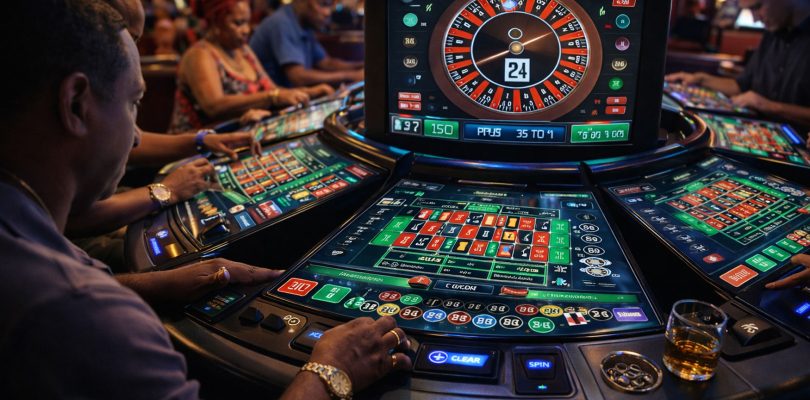
According to Guardian Media’s December 6, 2025 reporting, Clause 20 of the relevant bill would amend the Liquor Licences Act to raise the gaming tax on amusement machines from TT$6,000 to TT$25,000 per machine per year. The same report said the annual gaming tax on electronic roulette would increase from TT$120,000 to TT$200,000 per device.
That is not a small adjustment. It is a significant jump in operating costs, especially for bars, restaurants and smaller entertainment venues that rely on gaming devices as part of their overall customer offering. Guardian’s reporting said some business owners warned the increases could seriously damage the sector, with one industry voice arguing the new taxes would be crippling for many operators.
By February 23, 2026, follow-up reporting suggested those fears were already turning into real pressure. Guardian reported that annual taxes on electronic roulette machines had “skyrocketed” from TT$120,000 to TT$200,000 per machine, and said some small owners, already struggling from the long aftereffects of the COVID-19 period, were unable to absorb the added costs. The same report noted social media claims that around 30 establishments had stopped operating, though that figure was presented as a circulating claim rather than an officially confirmed closure count.
For local players, the practical issue is simple: when operating costs rise this sharply, the experience on the ground can change. Some venues may reduce the number of gaming machines they keep on site, others may decide that certain devices are no longer worth licensing, and some may leave the market entirely. That is an inference from the reported tax increases and closure pressures, not a confirmed government forecast.
This matters because machine-based gaming is already part of the everyday entertainment landscape in Trinidad and Tobago. Newsday reported in July 2025 that roulette machines can be found in many bars and restaurants across the country, showing how embedded these devices already are in the local market.
From a player’s perspective, higher taxes do not necessarily mean gaming disappears. But they could mean fewer locations, less variety, or a shift toward venues that can better handle the added licensing burden. For smaller operators, especially those depending on machine revenue to support their wider business, the new tax environment could force tougher choices about whether to stay in the space at all. This is an inference based on the reported tax structure and industry reaction.
The broader takeaway is that Trinidad and Tobago’s gambling industry is being shaped not only by regulation and enforcement, but also by economics. When taxes on amusement machines and electronic roulette rise this sharply, the effect is not limited to operators behind the scenes. Players may feel it too, through changes in access, venue options and the overall gaming landscape.