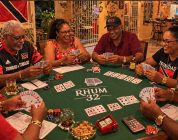
Trinidad and Tobago’s gambling industry is going through a noticeable shift. Over the past year, the conversation has moved beyond who is playing and where. It is now increasingly about how the market is regulated, taxed and policed. For local players, that matters because these changes could affect everything from access and convenience to where people choose to play.
One of the biggest changes has been the arrival of Sunday gaming for selected National Lotteries Control Board games. That move marked a cultural and operational change in a country where Sunday betting had long been a debated topic. For players, the appeal is obvious: more flexibility and more convenience on a day when many people are already out shopping, socialising or handling errands. But the move also sparked public debate, because gambling on Sundays still touches religion, tradition and broader concerns about how normalised gaming is becoming in daily life. This is an inference based on recent reporting and public discussion around the Sunday rollout.
At the same time, the Government has made it clear that illegal gambling is now a serious enforcement target. In its 2026 Budget messaging, it said illegal lotteries are eating into the legal market and draining state revenue, with estimates putting the parallel market at more than TT$9 billion a year while NLCB’s annual gross revenues sit at about TT$3 billion. The Government also said it plans tougher penalties and new offences aimed at modern illegal betting activity, including schemes that use official NLCB results while operating outside authorised channels.
That matters because illegal gambling in Trinidad and Tobago is no longer being framed as a small underground side issue. It is being presented as a major economic and law-enforcement problem. The Government has linked it to tax leakage and other criminal activity, while also signalling that older laws no longer match the way some modern betting operations actually work. For players, the practical message is that the line between legal and informal gambling channels may come under much closer scrutiny in 2026.
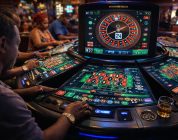
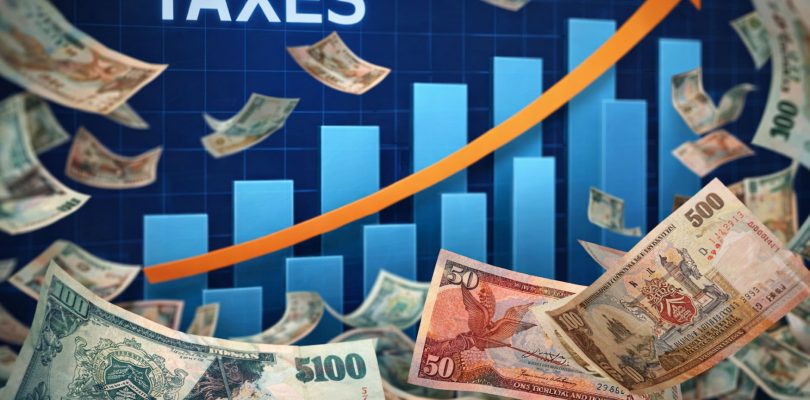
At the same time, legal operators are facing pressure from another direction: taxes. Recent reporting showed that the annual gaming tax on amusement machines was set to rise from TT$6,000 to TT$25,000 per machine, while electronic roulette taxes were reported as increasing from TT$120,000 to TT$200,000 per device. Industry groups warned that these jumps could hit bars, restaurants and smaller operators especially hard, with some arguing that the increases could shrink the legal machine-gaming sector instead of strengthening it.
For local players, higher taxes may sound like an operator problem, but they do not stay behind the scenes for long. When taxes rise sharply, some venues may reduce the number of machines they keep, some may decide certain devices are no longer worth licensing, and others may exit the space altogether. That would not necessarily mean less demand for gambling. It could simply mean fewer convenient legal options and more pressure on the businesses still trying to operate above board. This is an inference drawn from the reported tax changes and industry reaction.
Taken together, these developments point to a market that is being pulled in different directions at once. On one side, legal gaming is becoming more accessible in certain ways, such as Sunday play. On the other, operators are facing tighter enforcement, tougher penalties for illegal competition, and a more expensive operating environment. That combination could reshape the balance between formal, informal and grey-market gambling activity across the country. This is an inference based on the recent policy and industry changes.
The bigger takeaway is simple: gambling in Trinidad and Tobago is changing, and not just in one direction. Players are seeing more convenience in some areas, while operators are dealing with more pressure in others. The result is an industry that looks increasingly like it is entering a new phase, one defined less by quiet routine and more by public debate over legality, taxation and control.